Roof replacement in San Antonio
What it costs, what drives the number, and how to tell whether you actually need one yet.
Do you need a replacement, or a repair?
Plenty of roofs get replaced years before they had to. Here's the honest framework we use on every inspection. Our repair vs. replacement guide goes deeper on the decision.
- Roof age. Under twelve years, repair is usually right. Twelve to twenty, it depends on how the roof is failing. Past twenty, replacement almost always wins on cost per year of service left.
- How spread out the damage is. One leak at a pipe jack is a repair. Failures on several slopes, or granule loss across the whole roof, means the system is at the end of its life.
- How many times it's been repaired already. Two or three repairs in five years usually means you're paying for a replacement in installments.
- Whether the decking is still sound. Soft or sagging decking means water has been sitting in the system. That's past repair.
- How your policy would settle it. If your carrier has moved roof surfacing to actual cash value because of the roof's age, a claim pays a depreciated amount. That changes what you'd pay out of pocket, and it's worth knowing before you decide.
If you're weighing this after a storm, our storm damage page covers the claim side.
What a roof replacement costs in San Antonio
Most roofing sites won't publish a number. Here's ours.
Asphalt shingle replacement runs $5.50 to $7.50 per square foot installed. On a 2,000 square foot roof, that's roughly $11,000 to $15,000. Metal and tile sit above that range and get priced per project.
That's a real range, not a teaser. Where you land inside it depends on the roof, not on the day you call. To see where your own roof lands, use the roof cost calculator.
Military households get a flat $500 off a roof replacement.
What moves the number up or down
- Pitch. A walkable roof installs faster and cheaper. Once the pitch passes a certain point, crews need staging and fall protection, and labor climbs.
- Layers to tear off. One layer is standard. Two layers add tear-off time and disposal.
- Decking condition. Boards that are soft, rotted, or delaminated get replaced. We inspect once the shingles are off and you approve any decking before it goes on.
- Penetrations. Chimneys, skylights, valleys, and vents each need flashing detailed properly. A simple gable roof costs less than a cut-up roof of the same size.
- Access. If the crew can't stage materials near the house, everything takes longer.
- Material. This is the biggest single lever, and it's the one you control.
Choosing a material
Asphalt shingles are the default for good reason. Lowest cost, widest color range, and every crew in Texas knows how to install them. They're also the shortest lived of the three.
Metal costs more up front and lasts longer. It sheds heat well, which matters here. The catch worth knowing: hail dents metal, and a growing number of Texas policies exclude cosmetic damage. A dented metal roof that still sheds water may not be covered. Our metal roofing page goes deeper.
Tile lasts the longest and handles heat well. It's heavy, so the structure has to carry it, and repairs need someone who's actually worked on tile. Our tile roofing page covers when it makes sense.
Class 4 shingles, and why they matter here
Bexar County averages roughly 4.4 severe hail days a year, according to Atrium's own storm-tracking data. For a recent example, see the confirmed path and reports from the most recent confirmed hail storm in our service area.
Class 4 is the highest impact rating a shingle can carry. It doesn't make a roof hail proof, but it holds up to strikes that would fracture a standard shingle mat. Many Texas carriers offer a premium discount for one, so ask yours before you pick a shingle. The impact-resistant certification is one of the documents in the Power Package, so you'll have what your carrier asks for.
Our impact-resistant roofing page covers the ratings and the differences between them. To compare all five engineered systems side by side, see the roofing systems overview.
Permits and historic districts
Almost every residential re-roof inside San Antonio city limits needs a building permit from the Development Services Department. We pull it as part of the job.
If your address is in one of the city's 27 locally designated historic districts, the Office of Historic Preservation reviews exterior changes before the building permit issues. Switching from composition to metal, changing tile profile, or altering the visible shape of the roof triggers a Certificate of Appropriateness. Build extra time into your schedule for that. Alamo Heights and Olmos Park run their own review, and a San Antonio permit doesn't cover either one.
What actually happens, day by day
- Day 0Free evaluationAn engineer-led team walks the roof, checks the attic, and emails you a written report whether or not you hire us.
- Day 1 to 2Design and proposalWe spec the system to your house: shingle class, underlayment, ventilation, flashings. Line-item pricing, so you can see what each piece costs.
- Day 3Materials and permitThe permit gets pulled and materials are ordered for delivery 24 to 48 hours before install.
- Day 41 to 2 days on siteMost Central Texas homes finish in one day. Larger or steeper roofs take two. You don't need to leave. Expect noise from about 7am to 5pm, and move anything hanging on the walls.
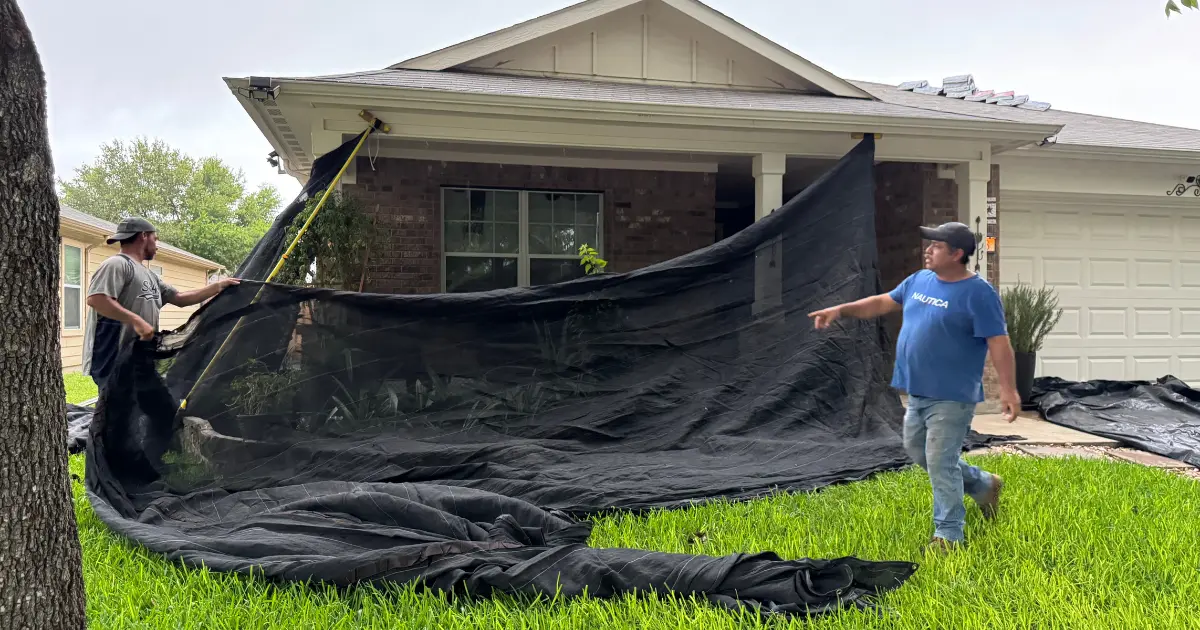
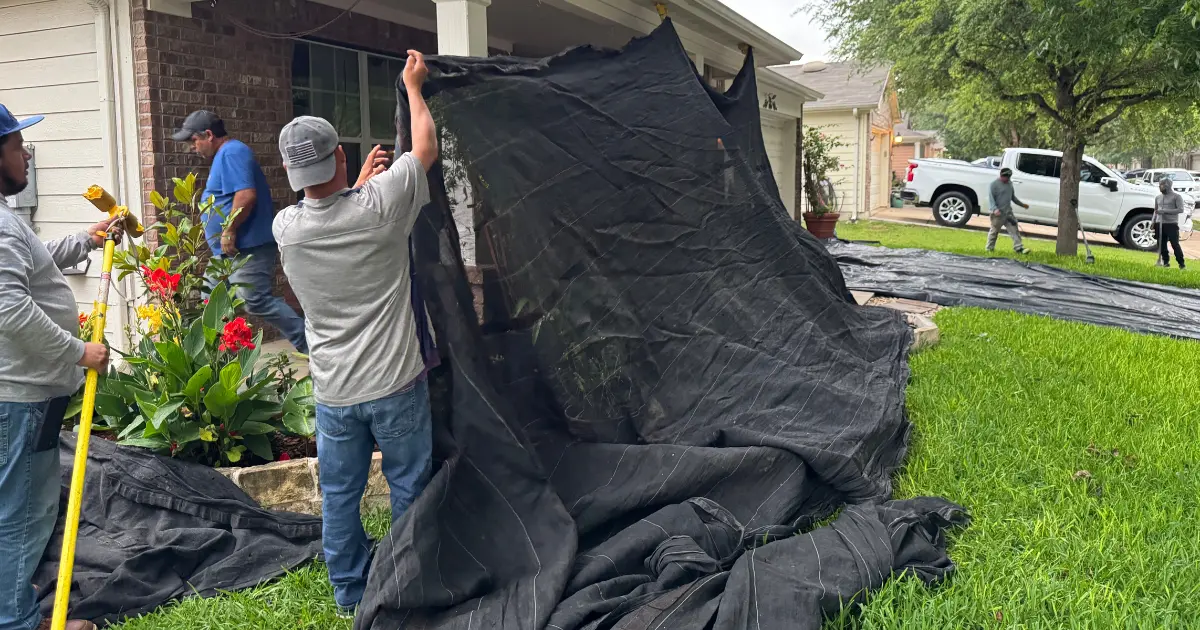
- Day 5 to 6CloseoutFull cleanup, magnet sweep over walkways and lawn, and a final walkthrough with you. After a major storm, call us and we'll schedule a post-storm inspection.
Typical timeline once your agreement is signed. Permit processing, weather, and material availability can add days.
At completion you receive the Power Package — up to five documents depending on your roofing system, including the warranty registration in your name where the system and certification tier qualify, the impact-resistant certification when the system is impact-rated, and, on shingle replacements, the supplier's material invoice showing exactly what went on the roof.
The manufacturer-backed system warranty comes first, because it is honored by the manufacturer rather than by us. Atrium holds Owens Corning Platinum Preferred, the top tier of the Owens Corning contractor network, which makes the enhanced Owens Corning system warranty available on our installs, and GAF Certified Plus, which makes the GAF Silver Pledge available. Either one is registered in your name.
Underneath that sits our own additional layer. Written 10-year workmanship warranty on your roof replacement, non-prorated and fully transferable. It covers the work we performed, and it is only worth as much as we are still in business, which is why the manufacturer document is the one to read first.
What decides whether either document actually pays out is registration, complete-system installation, and the conditions attached to it. Our roof warranty guide covers those mechanics before you sign anything.
Not every replacement is an insurance job, and not every homeowner wants to write one check. Our financing page lays out the options currently available.
Not Sure? Get a Free Roof Replacement AssessmentEvery layer matters
A modern roof is five components working together. When one fails, the others age faster.
1. Decking
Usually plywood or OSB. Must be dry, flat, and fastened correctly. Soft decking is replaced during tear-off.
2. Ice & water barrier
Self-adhesive membrane at eaves, valleys, and penetrations. This is your last line of defense against wind-driven rain.
3. Synthetic underlayment
Replaces old felt paper. Tear-resistant, UV-stable, and much safer to walk on during install.
4. Flashings
Metal transitions around chimneys, walls, and pipes. A frequent source of preventable leaks. We replace them, we don't reuse them.
5. Ventilation
Balanced intake (soffit) and exhaust (ridge). Poor ventilation cooks shingles from below and voids most warranties.
Replacement FAQs
Where we do this work
Same engineer-led process across San Antonio and the Hill Country. Each city guide covers local roof ages, storm exposure, and cost drivers.
Let's take a look at your roof.
No pressure, no obligation. Calls answered 24/7 in English & español by Alex, our AI specialist · Get an engineer-led 53-point roof inspection, not a sales pitch.